
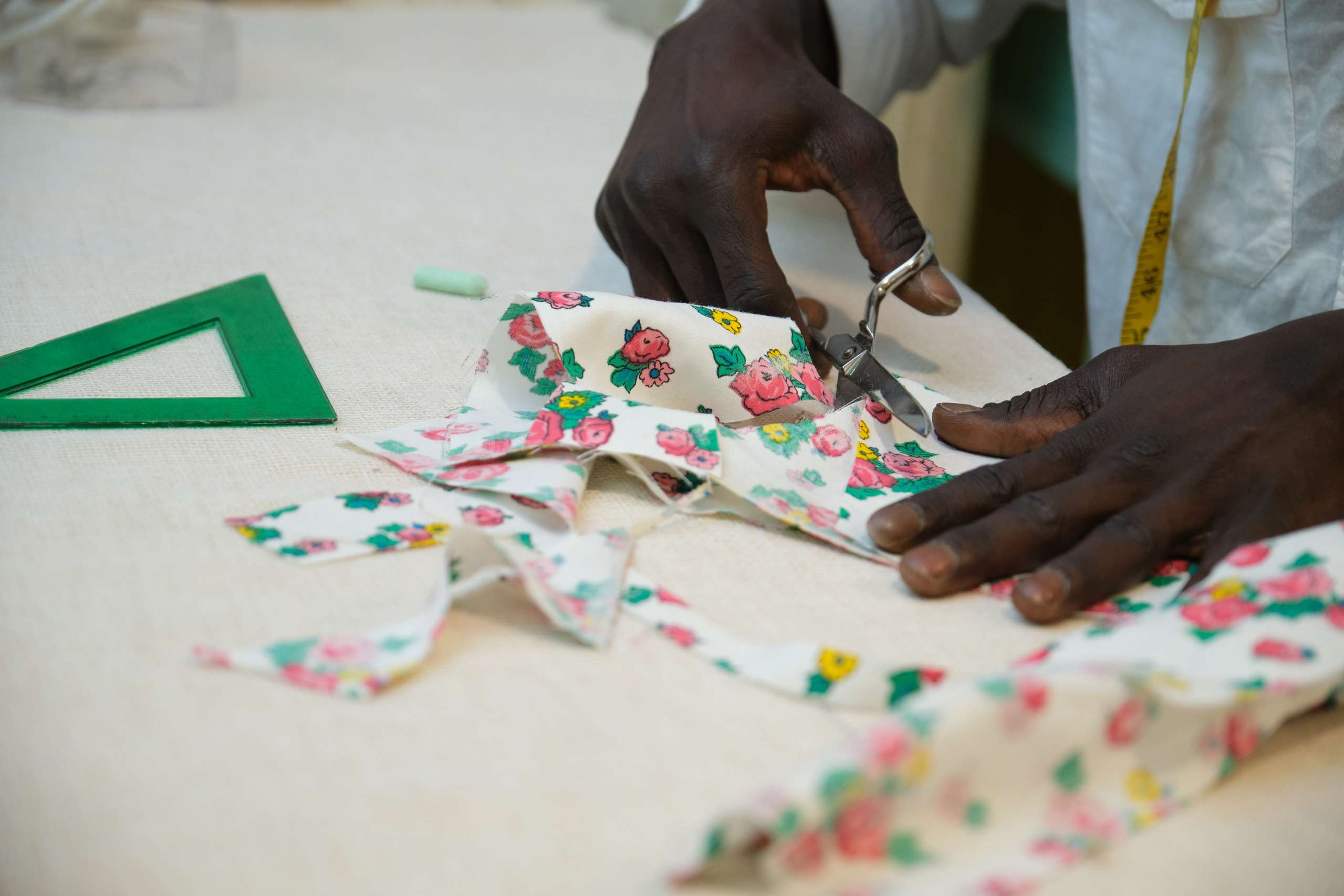
The Art of Combining Textures and Colors in Fabric Design
Working with fabrics is not just about stitching—it is about creating a visual and tactile experience. The interplay of textures and colors defines the mood, depth, and impact of any textile project. Understanding how these elements interact is crucial for producing pieces that are both harmonious and captivating.
Exploring Textures
- Smooth vs. Rough: Silk or satin paired with burlap or linen creates contrast, adding visual tension and tactile interest.
- Layering: Overlapping fabrics of different thicknesses and weights can create dimension and movement.
- Manipulation: Techniques such as pleating, gathering, or smocking transform flat fabrics into sculptural forms.
Color Theory in Fabric Work
- Complementary Colors: Opposing hues on the color wheel can create vibrant, dynamic compositions.
- Analogous Colors: Colors next to each other evoke subtlety and cohesion, perfect for soft, elegant designs.
- Accents: Introduce small bursts of bold color to draw attention to focal points without overwhelming the piece.
Balancing Elements
A successful project balances textures, colors, and design elements. Consider the scale of patterns and the density of embellishments. Too much layering or clashing colors can distract; simplicity and strategic contrast often create the most compelling work.
Experimentation and Play
Fabric design thrives on experimentation. Test different combinations on swatches before committing to your main piece. Mix textures, combine unusual colors, and explore unexpected fabric pairings. Even mistakes reveal insights that inform future designs.
Bringing it Together
Once textures and colors are harmonized, integrate them with your chosen techniques. Embroidery may highlight a color, appliqué can emphasize a texture, and beading can accentuate both. Thoughtful integration ensures that every element contributes to a cohesive and visually engaging piece.
The art of fabric embellishment lies in the deliberate combination of colors and textures. By observing, experimenting, and refining your approach, you can transform ordinary materials into extraordinary creations that express individuality and artistic intent.